Discover Europe’s Best-Kept Secret
Scattered across the Atlantic Ocean approximately 1,500 kilometres west of mainland Portugal, the Azores are a collection of nine volcanic islands renowned for their dramatic landscapes, crater lakes, geothermal springs, and unspoilt natural beauty.
Often described as a blend of Iceland, Hawaii, and Madeira, the Azores offer an entirely different take on European exploration. Here you’ll find emerald-green valleys, black volcanic beaches, whale-filled waters, cascading waterfalls, and hiking trails that lead to breathtaking viewpoints with remarkably few crowds.
Whether you’re seeking outdoor adventure, wildlife encounters, relaxation, or simply a slower pace of life, the Azores provide an unforgettable escape from the ordinary.
How to Get to the Azores
Despite their remote location in the Atlantic Ocean, the Azores are surprisingly easy to reach from Europe.
Most international visitors arrive via São Miguel, the largest island in the archipelago and home to the international airport at Ponta Delgada (PDL). Direct flights operate from several European cities, including Lisbon, Porto, London, and Manchester, with flight times from the UK typically taking around four hours.
For many travellers, São Miguel serves as the perfect introduction to the Azores before continuing on to explore some of the smaller islands.
Understanding the Azores: The Three Island Groups
While the Azores are often spoken about as a single destination, the archipelago is actually made up of nine islands spread across three distinct groups in the Atlantic Ocean.
Understanding how the islands are organised can help you plan a more realistic itinerary and decide which areas of the Azores you’d like to explore.
The Eastern Group
This group consists of:
- São Miguel
- Santa Maria
As the largest island, and the most visited, São Miguel is the gateway to the Azores for most travellers. Home to volcanic crater lakes, geothermal hot springs, whale watching, and dramatic hiking trails, it offers the perfect introduction to the region.
Santa Maria lies to the southeast and is known for its warmer, drier climate and some of the best sandy beaches in the Azores.
The Central Group
The central islands of the archipelago include:
- Terceira
- Pico
- Faial
- São Jorge
- Graciosa
This is often considered the heart of the Azores and is particularly popular for island-hopping. Many of these islands are close enough to be connected by regular ferry services, making it easy to combine several in one trip.
The Central Group offers incredible variety, from the volcanic landscapes of Pico and the dramatic hiking trails of São Jorge to the cultural heritage of Terceira and the maritime atmosphere of Faial.
The Western Group
The western group consists of:
- Flores
- Corvo
The most remote islands in the archipelago, the Western Group feels wonderfully wild and untouched.
Flores is famous for its waterfalls, crater lakes, and lush landscapes, while tiny Corvo offers an authentic glimpse into traditional island life. Reaching these islands requires a little more effort, but many travellers consider them among the most rewarding destinations in the Azores.
Travelling Between the Islands
Domestic Flights:
The quickest and most convenient way to travel between islands is with local airline SATA Air Açores. Regular flights connect many of the islands throughout the year and make island-hopping relatively straightforward.
Popular routes include:
- São Miguel → Pico
- São Miguel → Terceira
- São Miguel → Faial
- São Miguel → Flores
Flight times are typically between 30 and 60 minutes.
Ferries:
Ferries operate between several of the islands, particularly within the Central Group, and can be a fantastic way to experience the archipelago from the water.
The most useful ferry connections include:
- Pico ↔ Faial (approximately 30 minutes)
- Pico ↔ São Jorge
- Faial ↔ São Jorge
These islands are located close together, making ferry travel both practical and scenic.
Suggested Island Hopping Itineraries
Fist-Time Visitors (7-10 Days)
✔️ São Miguel only
or
✔️ São Miguel + Terceira
This combination offers an excellent introduction to the Azores’ landscapes, culture, and cuisine.
Adventure Seekers (10-14 Days)
✔️ São Miguel
✔️ Pico
✔️ Faial
Perfect for hiking, whale watching, and experiencing the Azores’ dramatic volcanic scenery.
Nature Lovers (14+ Days)
✔️ São Miguel
✔️ Flores
✔️ Corvo
Ideal for travellers seeking waterfalls, remote landscapes, and some of the archipelago’s most spectacular scenery.
Journeys by Design Tip
If you’re visiting for the first time, resist the temptation to see all nine islands in one trip. While island-hopping is part of the Azores experience, the distances between some islands can make travel surprisingly time-consuming. Most visitors will enjoy a far more rewarding experience by focusing on two or three islands and allowing time to truly explore each destination.
Which Azores Island Is Right for You?
Each island has its own personality, making the Azores an ideal destination for island-hopping adventures or return visits.
São Miguel
Best For: First-time visitors, couples, nature lovers, foodies
Often referred to as “The Green Island”, São Miguel is the largest and most accessible island in the Azores. If you’re only visiting one island, this is where most travellers begin.
Landscape
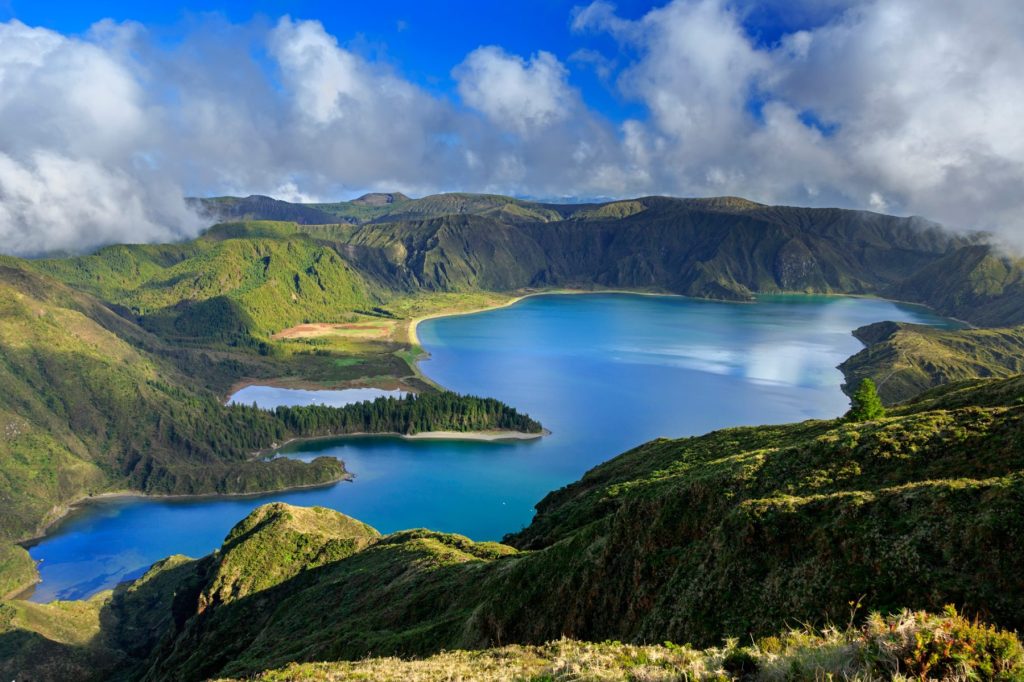
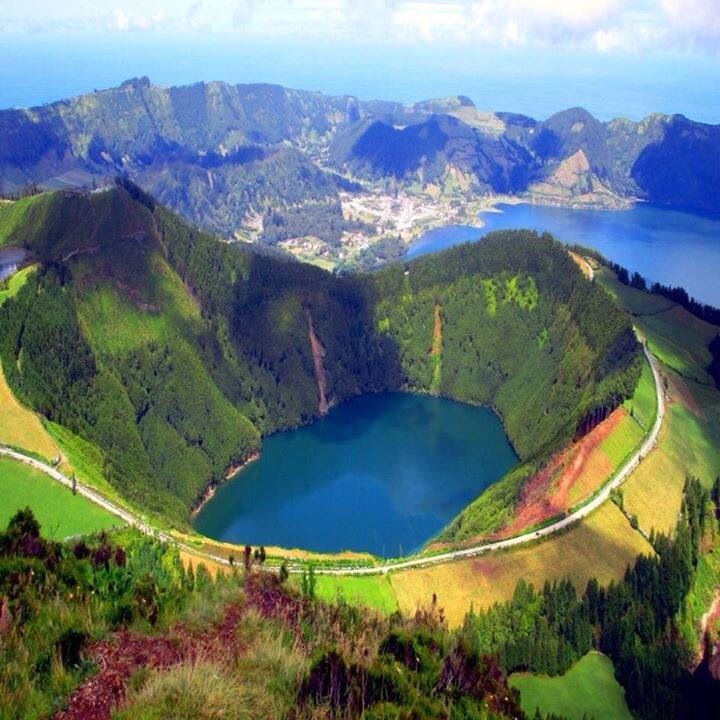
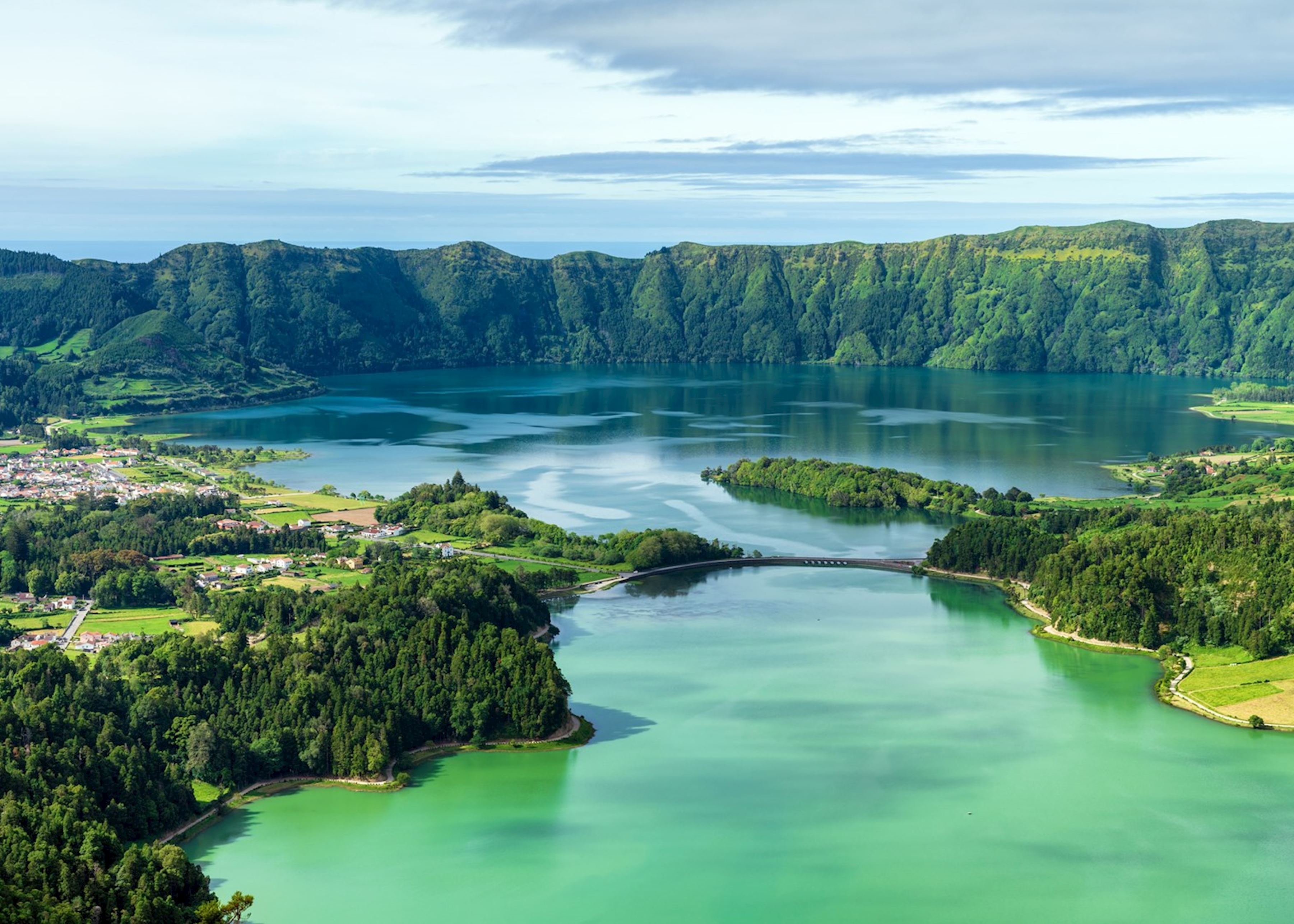
Think volcanic crater lakes, lush forests, dramatic coastlines, rolling hills, and geothermal activity. It’s arguably the island that best showcases everything the Azores are famous for.
Must-See Places
- Sete Cidades
- Lagoa do Fogo
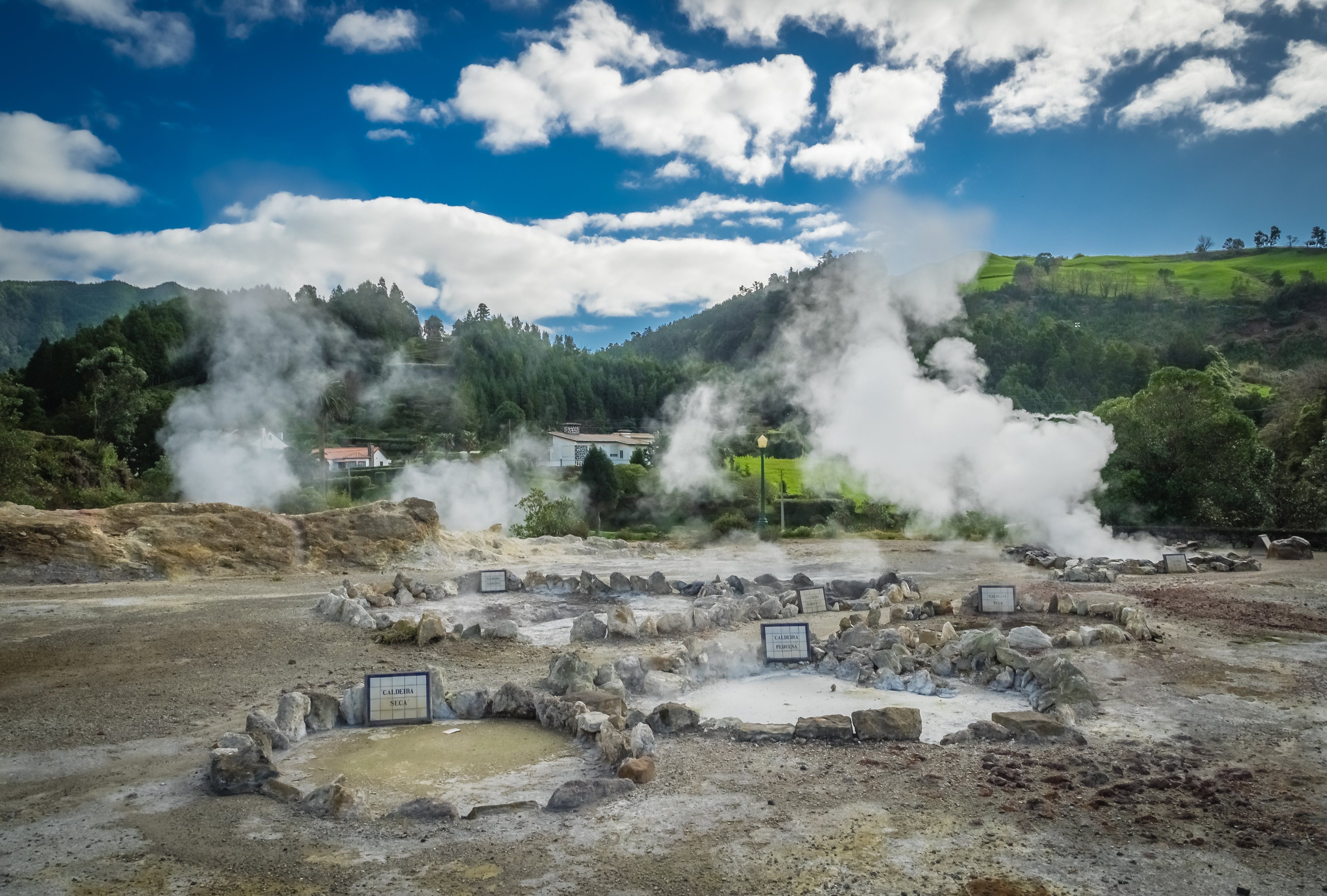
- Furnas
- Ponta Delgada
- Miradouro da Boca do Inferno
Must-Do Activities
- Soak in geothermal hot springs
- Whale watching
- Explore tea plantations
- Hike volcanic trails
- Sample the famous Cozido das Furnas
Journeys by Design Tip
São Miguel offers the best balance of adventure, scenery, accommodation, and accessibility, making it ideal for first-time visitors.
Pico
Best For: Hikers, photographers, adventure travellers
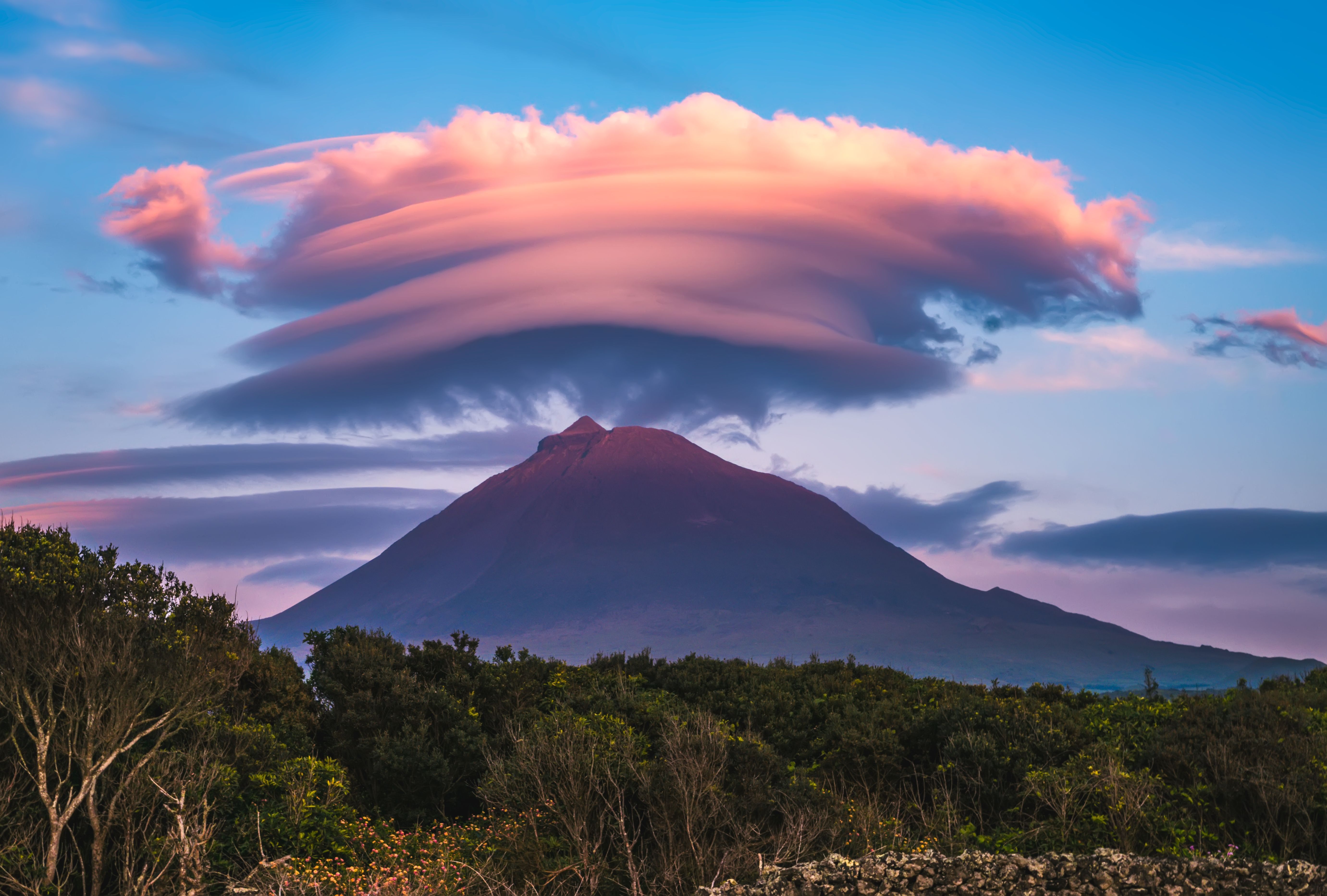
Dominated by Mount Pico, Portugal’s highest mountain, this island delivers some of the most dramatic scenery in the entire archipelago.
Landscape
Volcanic vineyards, lava fields, rugged coastlines, and towering mountain peaks create a landscape unlike anywhere else in Europe.
Must-See Places
- Mount Pico
- Pico Vineyard Culture Landscape (UNESCO)
- Lajes do Pico
- Criação Velha Vineyards
Must-Do Activities
- Summit Mount Pico
- Whale watching
- Wine tasting
- Coastal hiking
Journeys by Design Tip
If spectacular scenery and outdoor adventure are your priorities, Pico is difficult to beat.
Terceira
Best For: Culture lovers, history enthusiasts, families
Terceira offers a wonderful combination of natural beauty and cultural heritage.
Landscape
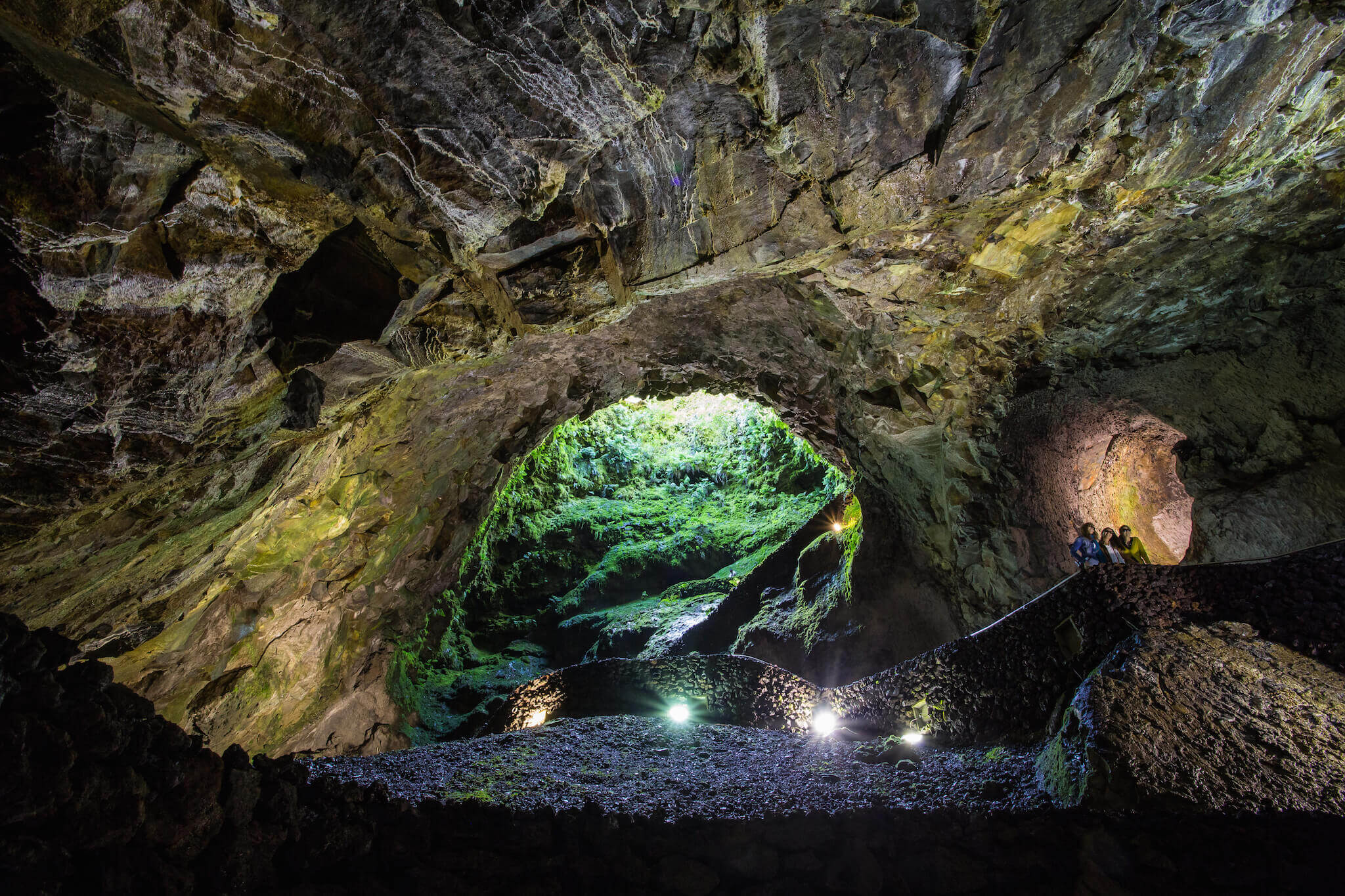
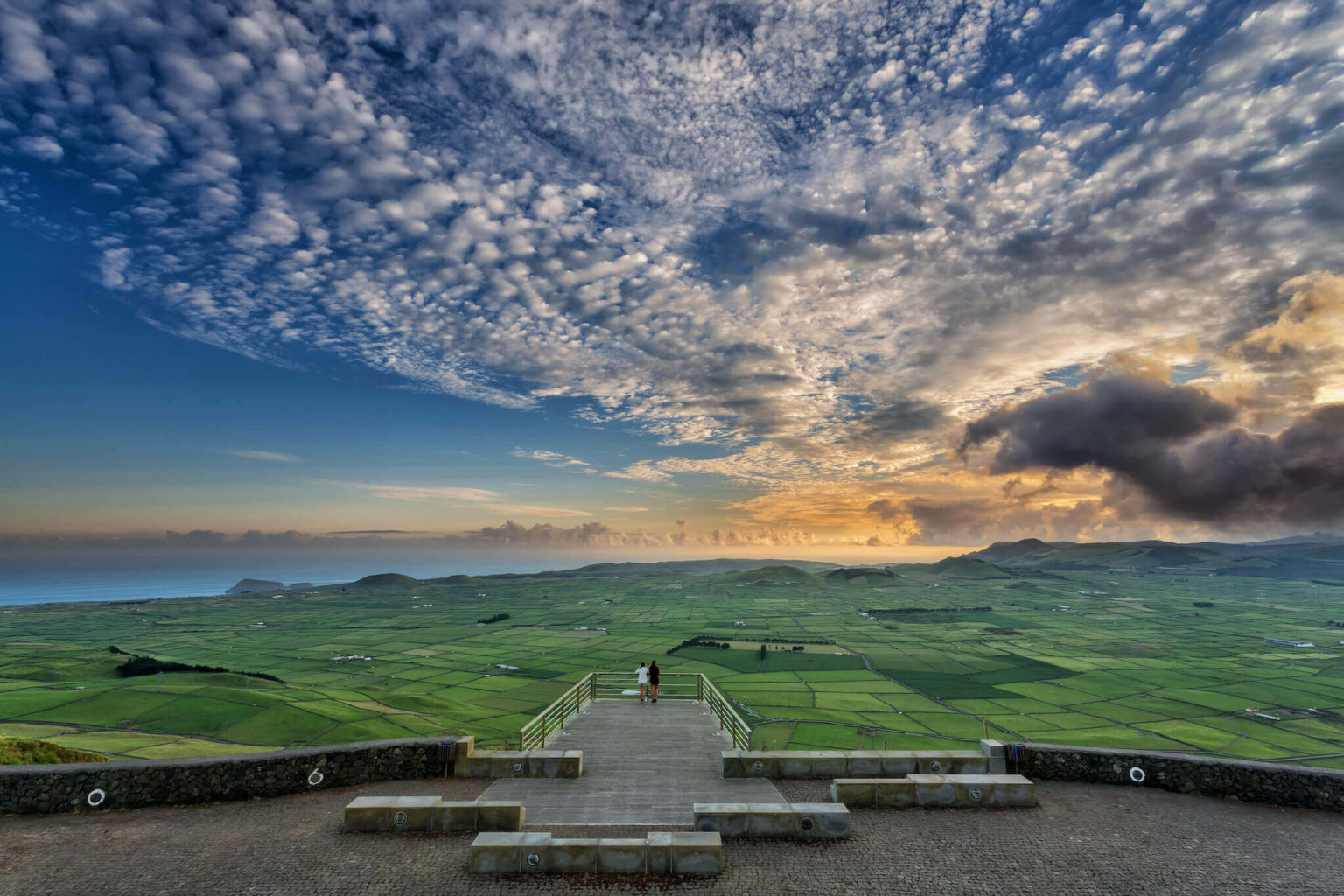
Rolling green countryside, volcanic caves, dramatic coastlines, and traditional villages.
Must-See Places
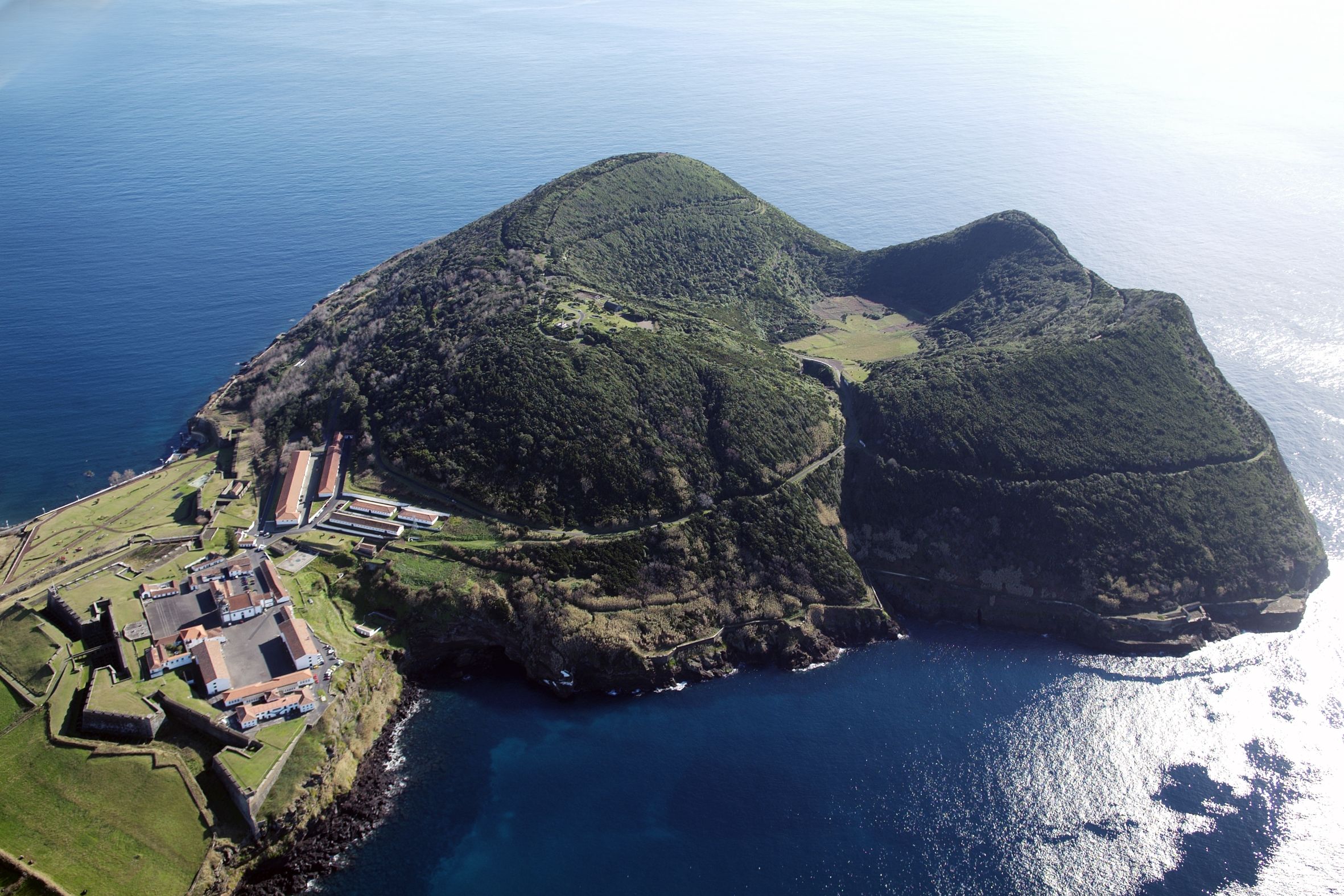
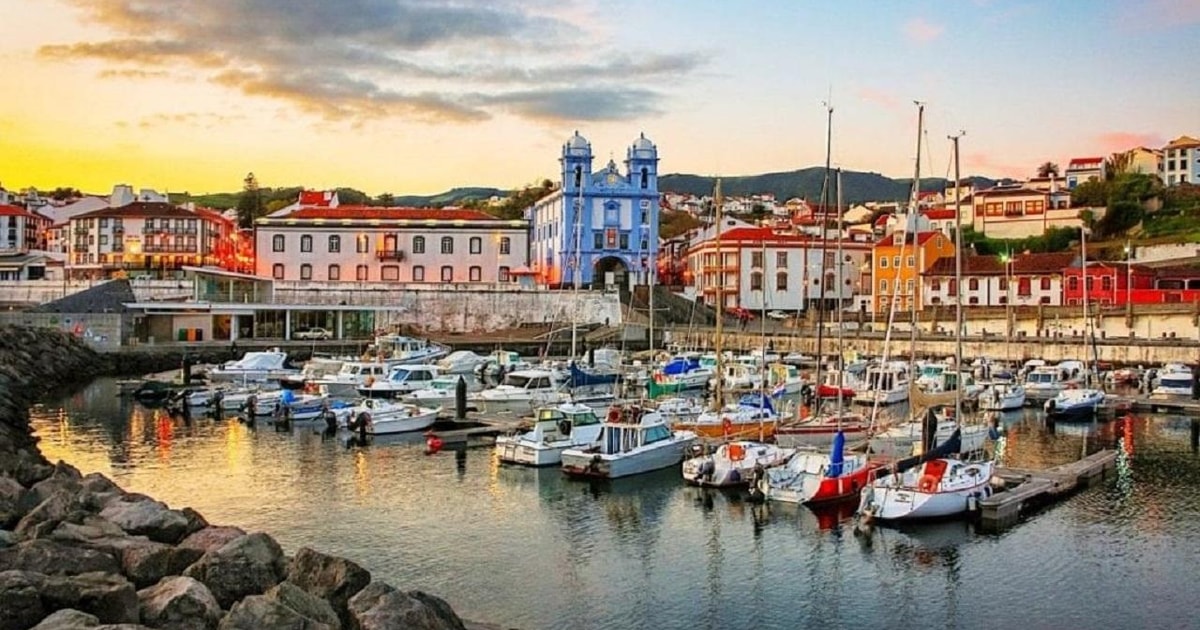
- Angra do Heroísmo
- Algar do Carvão
- Serra do Cume
- Monte Brasil
Must-Do Activities
- Explore the UNESCO-listed old town
- Discover volcanic caves
- Attend local festivals
- Scenic drives around the island
Journeys by Design Tip
Terceira offers one of the best blends of culture and scenery in the Azores.
Faial
Best For: Sailors, island hoppers, geology enthusiasts
Known as “The Blue Island”, Faial is famous for its marina and dramatic volcanic landscapes.
Landscape
Hydrangea-lined roads, volcanic craters, rugged coastlines, and expansive ocean views.
Must-See Places
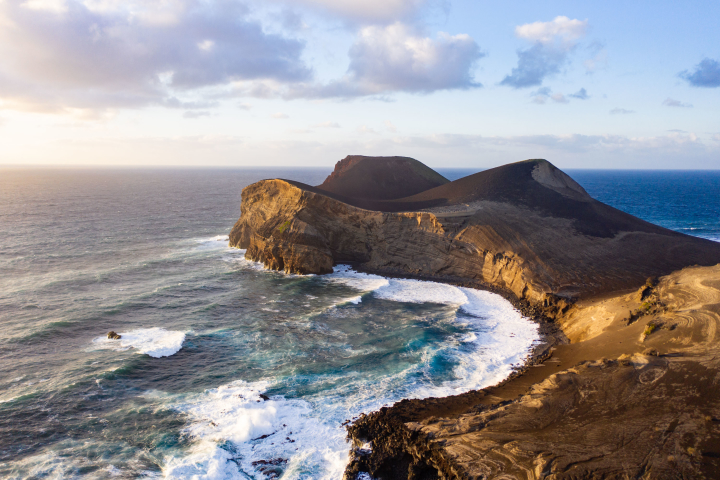
- Capelinhos Volcano
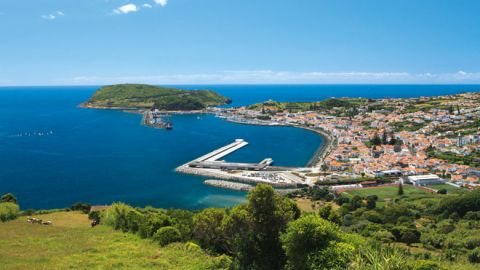
- Horta Marina
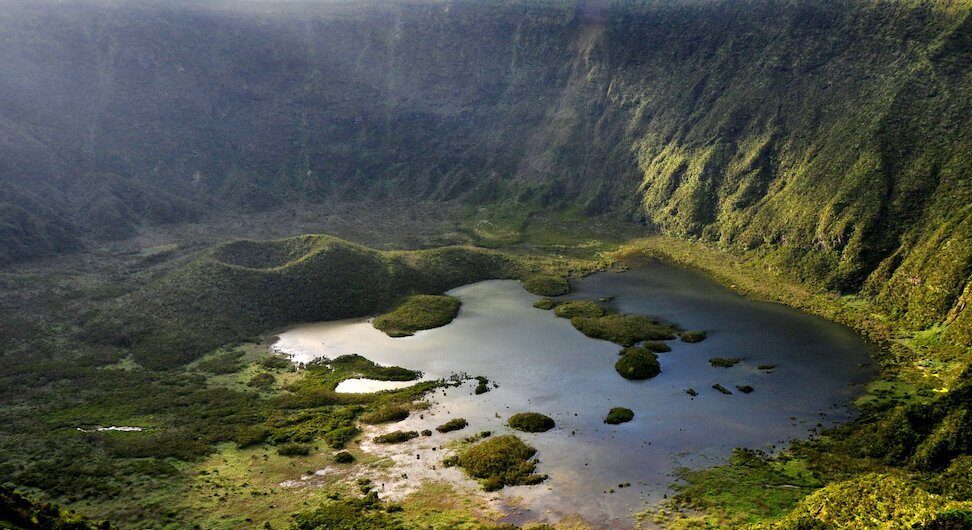
- Caldeira do Faial
Must-Do Activities
- Visit the volcanic interpretation centre
- Hike around the caldera
- Explore Horta’s famous marina
Journeys by Design Tip
Combine Faial with nearby Pico for one of the best island-hopping experiences in the Azores.
São Jorge
Best For: Walkers, nature lovers, off-the-beaten-path travellers
Long and narrow, São Jorge is renowned for its spectacular hiking opportunities.
Landscape
Dramatic cliffs, lush valleys, and the famous “Fajãs”—small coastal plains created by lava flows and landslides.
Must-See Places
- Fajã da Caldeira de Santo Cristo
- Fajã dos Cubres
- Velas
Must-Do Activities
- Hiking
- Birdwatching
- Kayaking
- Cheese tasting
Journeys by Design Tip
One of the best islands in the Azores for serious walkers.
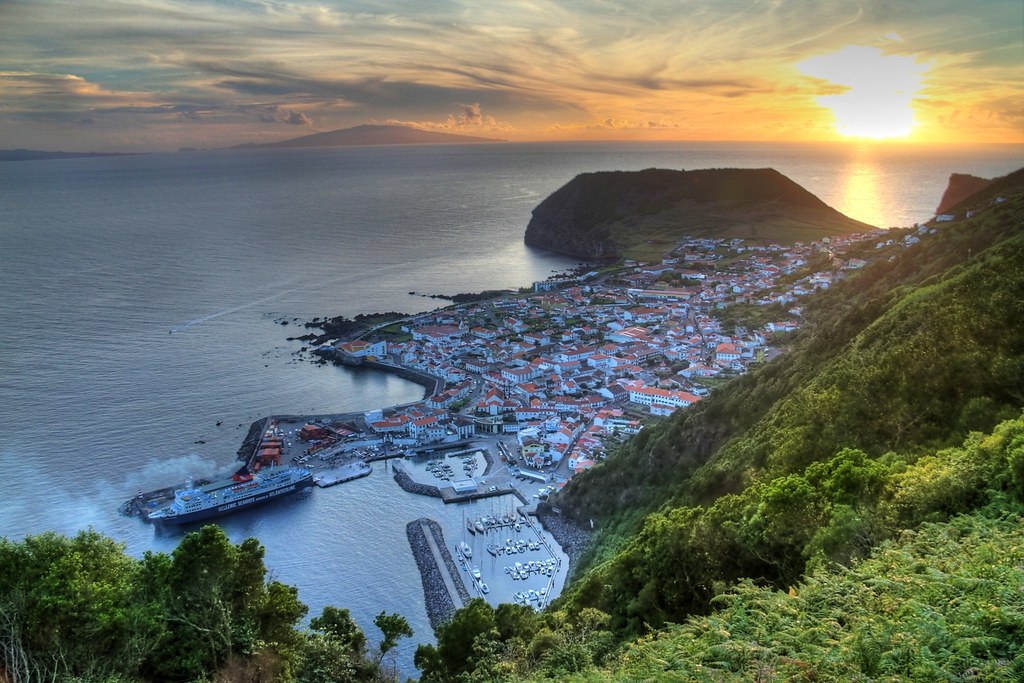
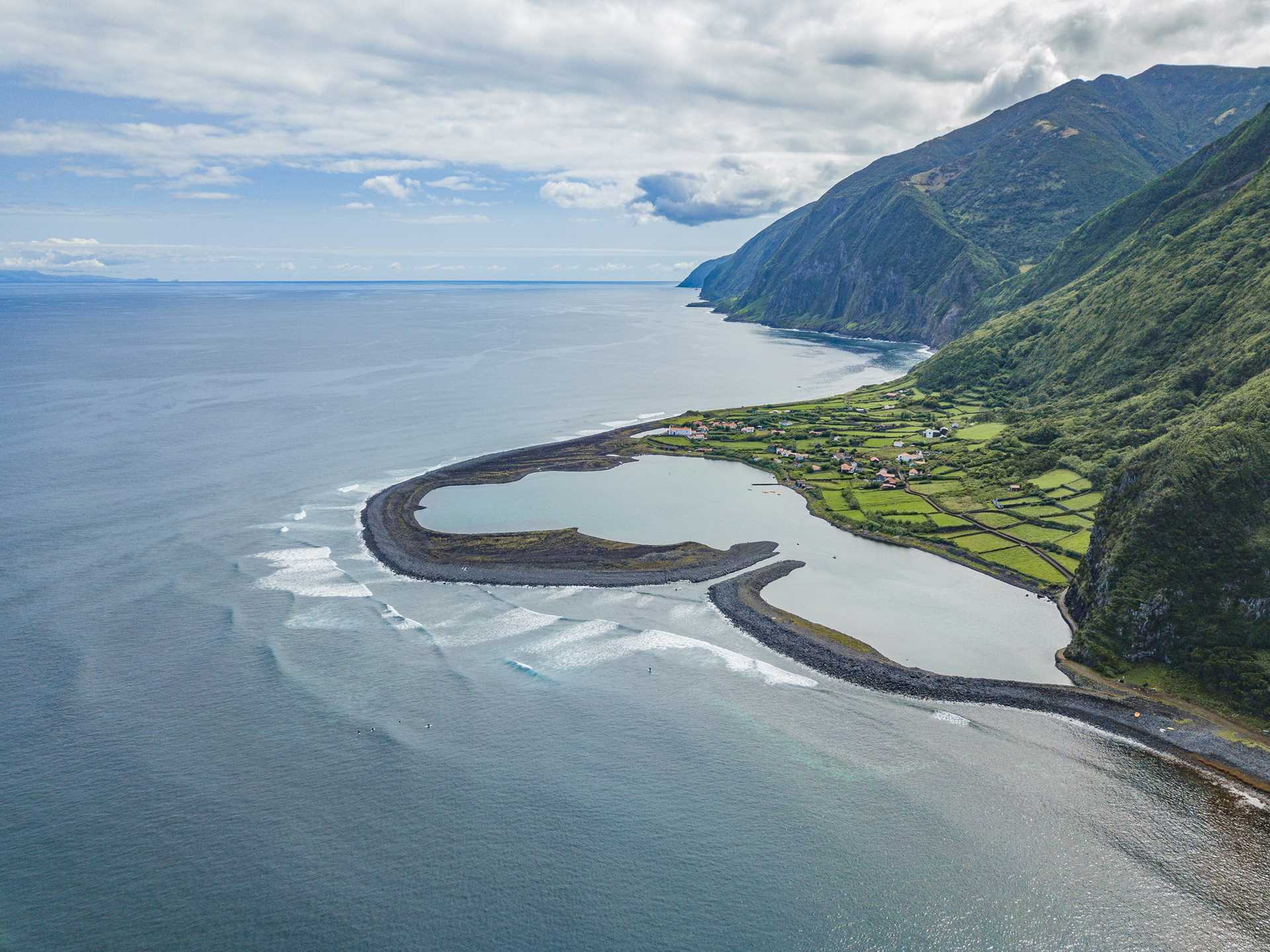
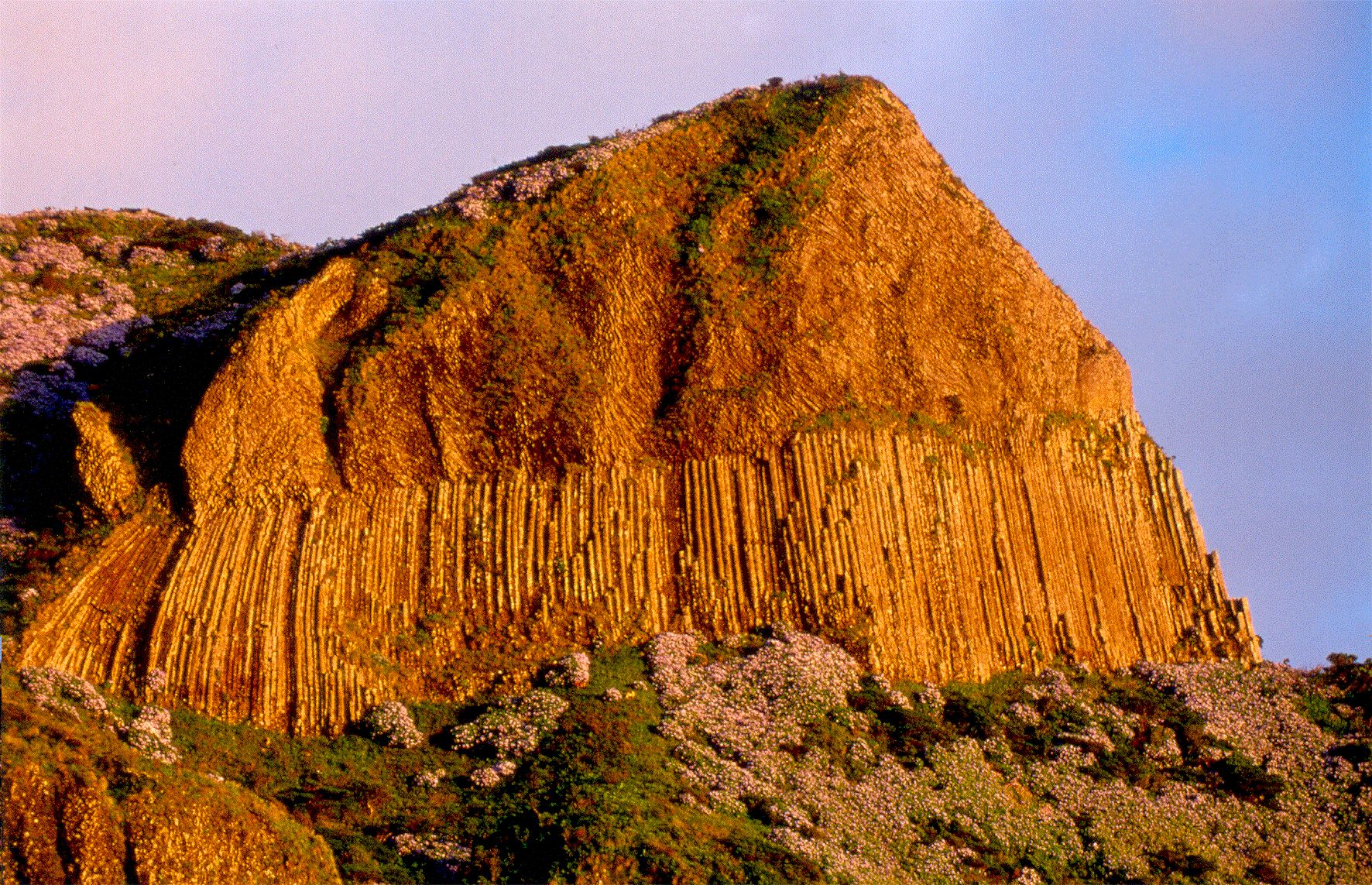
Flores
Best For: Nature lovers, photographers, couples
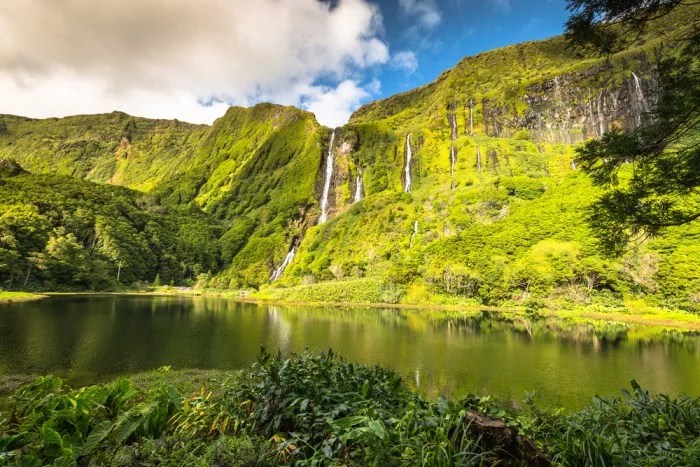
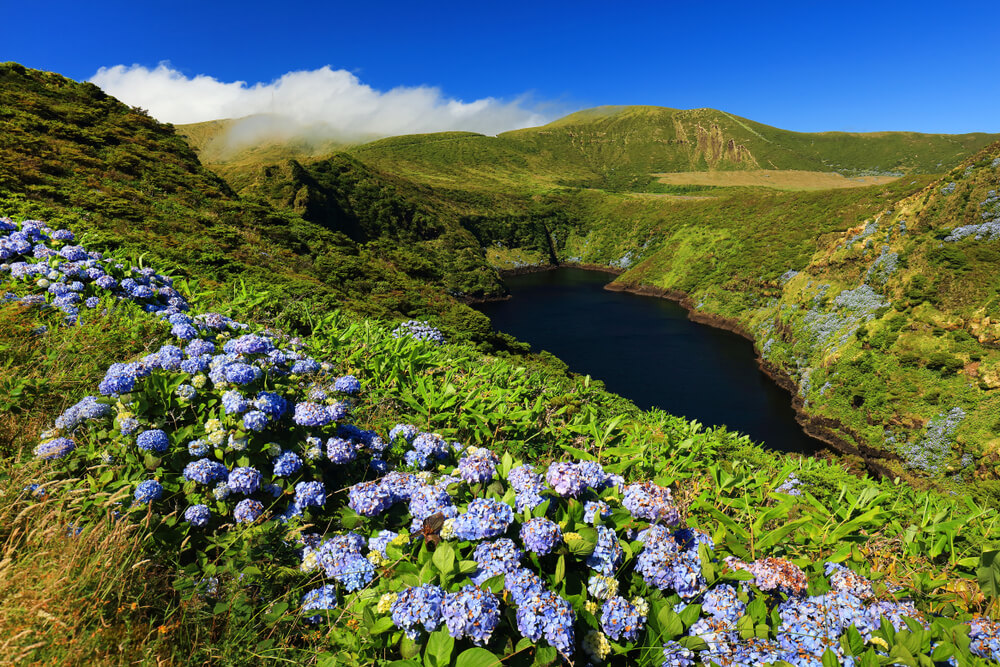
Often considered the most beautiful island in the Azores.
Landscape
Waterfalls, crater lakes, dramatic cliffs, and vibrant greenery.
Must-See Places
- Poço da Ribeira do Ferreiro
- Lagoa Comprida
- Rocha dos Bordões
Must-Do Activities
- Waterfall chasing
- Hiking
- Photography
- Scenic drives
Journeys by Design Tip
Flores feels wonderfully remote and untouched, making it ideal for travellers seeking tranquillity.
Graciosa
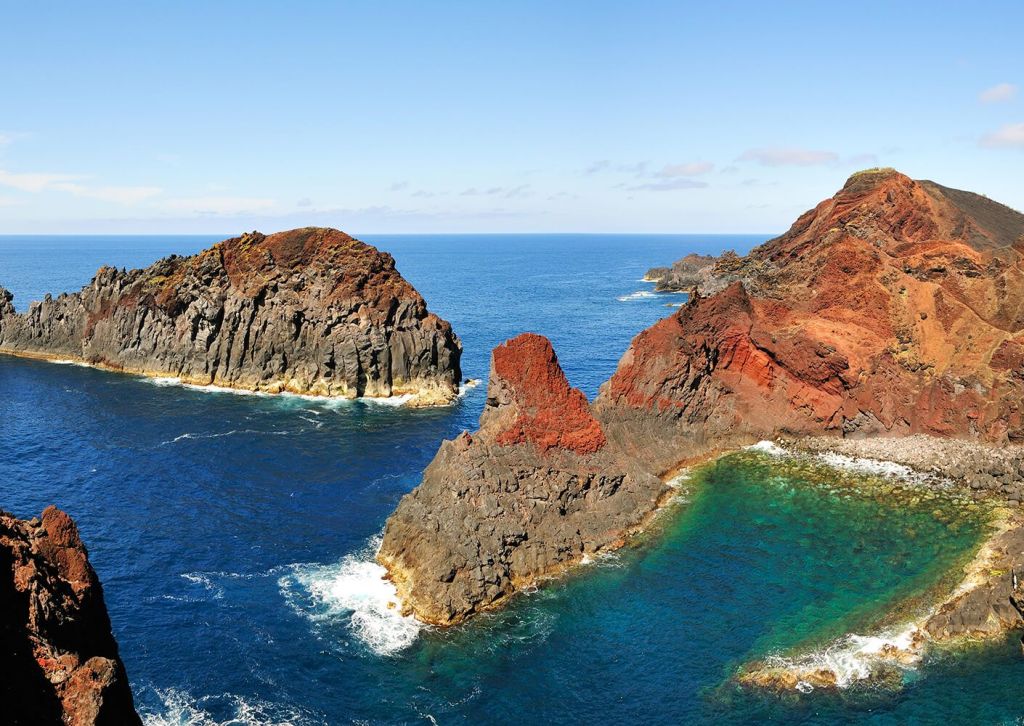
Best For: Relaxation, slow travel
Known as “The White Island”, Graciosa offers a slower, quieter pace of life.
Highlights
- Traditional villages
- Volcanic caves
- Peaceful countryside
- Coastal scenery
Journeys by Design Tip
Perfect for travellers wanting to escape crowds and embrace island life.
Corvo
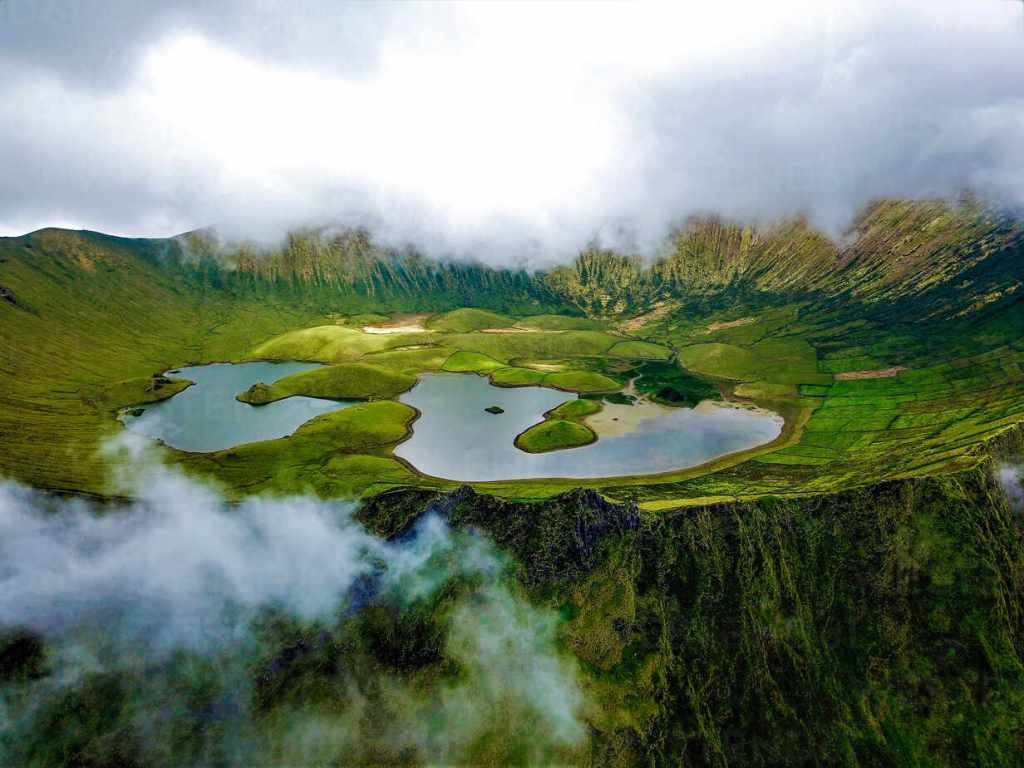
Best For: True adventurers
The smallest island in the Azores is also one of Europe’s most remote destinations.
Highlights
- Caldeirão crater
- Exceptional birdwatching
- Authentic island atmosphere
Journeys by Design Tip
Ideal as a short extension from Flores.
Santa Maria
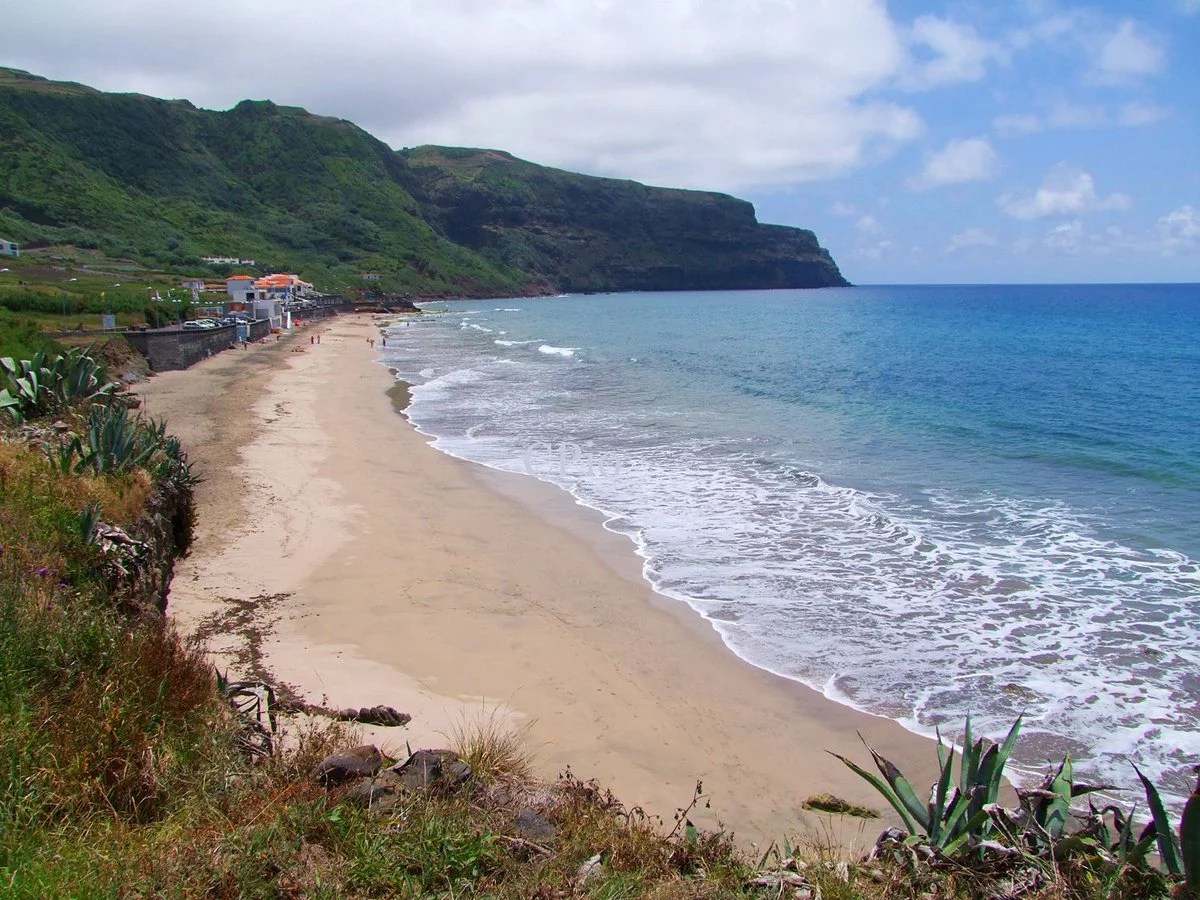
Best For: Sunseekers and beach lovers
Santa Maria enjoys the warmest and driest climate in the archipelago.
Landscape
Golden beaches, rolling hills, and a more Mediterranean feel.
Must-See Places
- Praia Formosa
- Barreiro da Faneca
Must-Do Activities
- Swimming
- Snorkelling
- Coastal walks
Journeys by Design Tip
The best island in the Azores for beach lovers.
When to Visit the Azores
The Azores can be visited year-round, but the best time to visit is generally between May and October when temperatures are warmer and conditions are ideal for hiking, sightseeing, and whale watching.
Spring brings vibrant hydrangea blooms, while summer offers long daylight hours and excellent outdoor conditions.
Final Thoughts
The Azores remain one of Europe’s most rewarding destinations for travellers seeking natural beauty, adventure, and authentic experiences. Whether you’re climbing volcanic peaks, spotting whales offshore, soaking in geothermal springs, or simply admiring the view from a scenic lookout, these remarkable islands offer a sense of discovery that’s becoming increasingly rare in modern travel.
And perhaps that’s what makes the Azores so special. While much of the world feels increasingly connected, this Atlantic archipelago still feels like a place waiting to be explored.
 Journeys by Design
Leave a comment